The carbon cycle is one of the natural biogeochemical cycles taking place on planet Earth and is one of the building blocks for all living things. Carbon can be found in rocks, soil, the ocean, fungi, microbes, and all living things.
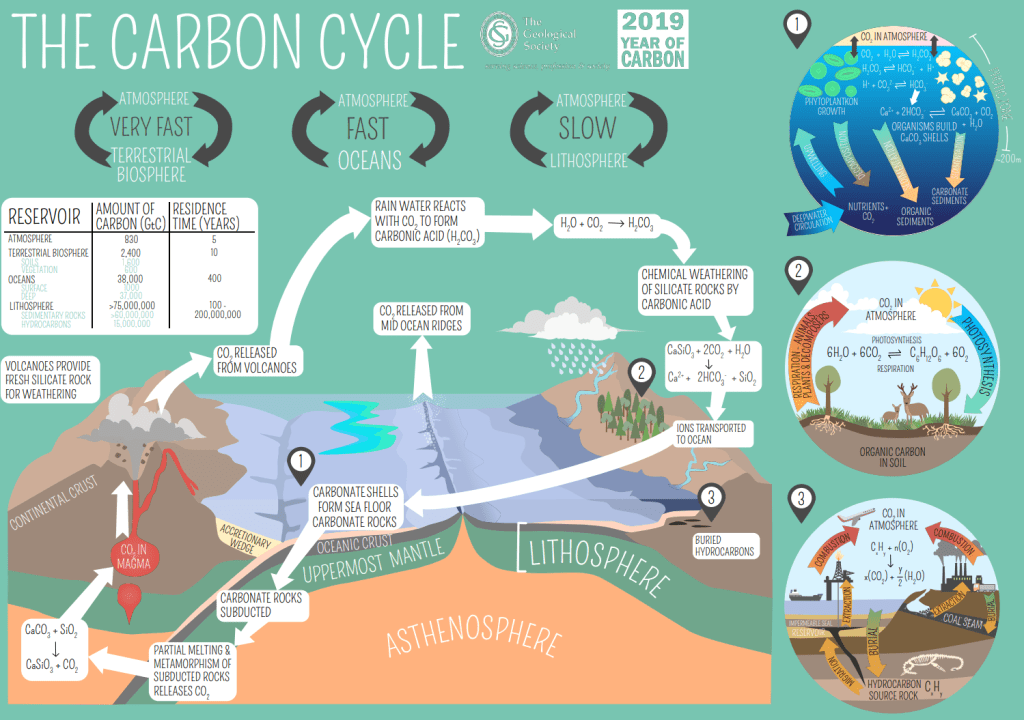
Carbon is in constant motion, being moved from one reservoir to another by various processes from plants taking in carbon to make food, the process known as photosynthesis, to humans and animals exhaling. Because the carbon cycle is a closed system, the amount of carbon does not change, but the amount stored in the various reservoirs does. It is part of the natural cycle for carbon to be stored in different parts of the Earth including water, rock, and soil underground, and then released to the atmosphere from volcanoes erupting, forest fires, shifting of continental plates, respiration, and ocean processes. This natural process has been disrupted by various human activities such as the extracting and burning of fossil fuels which is the cause of the increasing carbon dioxide in our atmosphere, causing climate change. Nathaniel Manning’s educational video linked below describes the carbon cycle and how carbon moves through its cycle as well as how humans have impacted this cycle in a negative way.
The Economist created a very informative and succinct video on the carbon cycle that I have linked below. In a short summary of said video, planet Earth has numerous carbon sources and sinks. Carbon has flowed through these various sources and sinks maintaining its own equilibrium with plants, bacteria and algae taking in carbon dioxide, and humans and animals exhaling carbon dioxide through respiration. This equilibrium has been disrupted through human industrial activities.
Robertson (2021) describes the carbon cycle in their book Sustainability: Principles and Practice by the following: “Plants take in water from the soil and carbon dioxide from the air and from them “put together” sugars and oxygen. Plants that are eaten by other organisms become part of eating sequences known as food chains. When terrestrial plants die or when the animals who ate them die, the carbon originally captured from the air is broken down by microbes and becomes part of the soil. In warm weather, some of it rises back into the air as carbon dioxide. Oceans absorb carbon dioxide from the air by folding it into the water through wave action and by the work of tiny algae who pull it into the first stage of the ocean’s food chain. Rocks are the planet’s largest carbon reservoir. Earth’s atmosphere and plants on land are also carbon reservoirs” (25).
No matter what book, article, video, or documentary you consume on the carbon cycle, the end message is always the same. Our planet’s carbon cycle is off balance.
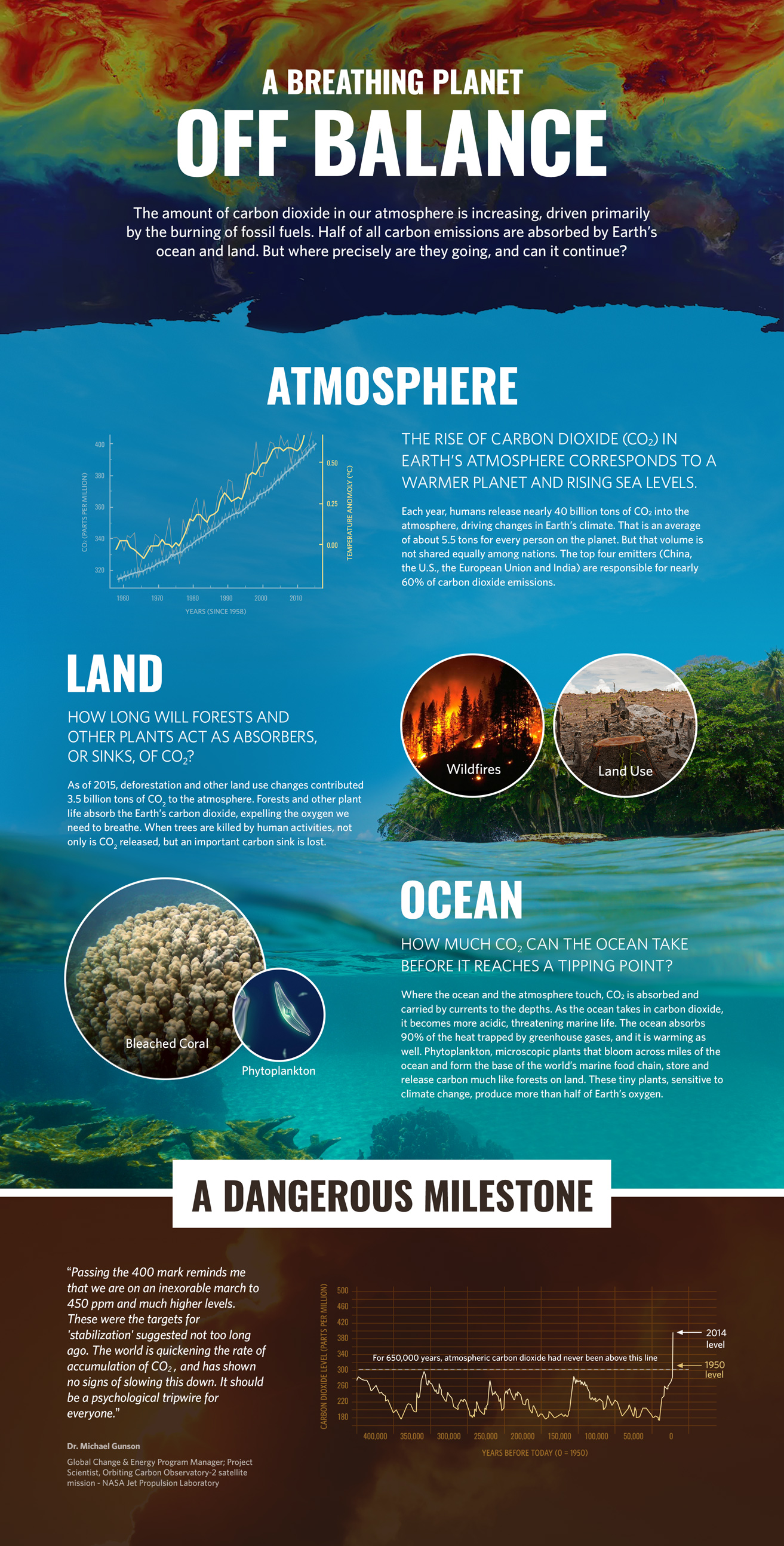
Knowing what we know now about the carbon cycle, we know that humans are the main cause of the major disturbance of this cycle and the balance that was once there. The digging up and burning of fossil fuels is the cause of this imbalance. I find that although it is important to learn about the causes of climate change, it is equally important to discuss possible solutions and what is currently being studied and done to try and fight back. One of the main themes that kept coming up for me in my research on this topic was that of carbon sequestering. Check out this short clip to explain carbon sequestration below:
There are various ways that humans can help with the sequestering of carbon from reforestation, regenerative farming, to restoring native prairie grassland habitats.
One of the sources of carbon going into the atmosphere is forest fires. In a recent article by CTV News, Jones (2023) discusses how researchers have found that dry grasslands have been serving as a significant carbon sink. In some areas where forest fires have become less frequent due to development, more carbon has been allowed to be accumulate and be stored in the plants themselves as well as the topsoil in these undisturbed areas. More fires results in more soil carbon loss. This information is useful when planning for nature-based interventions to slow global warming.
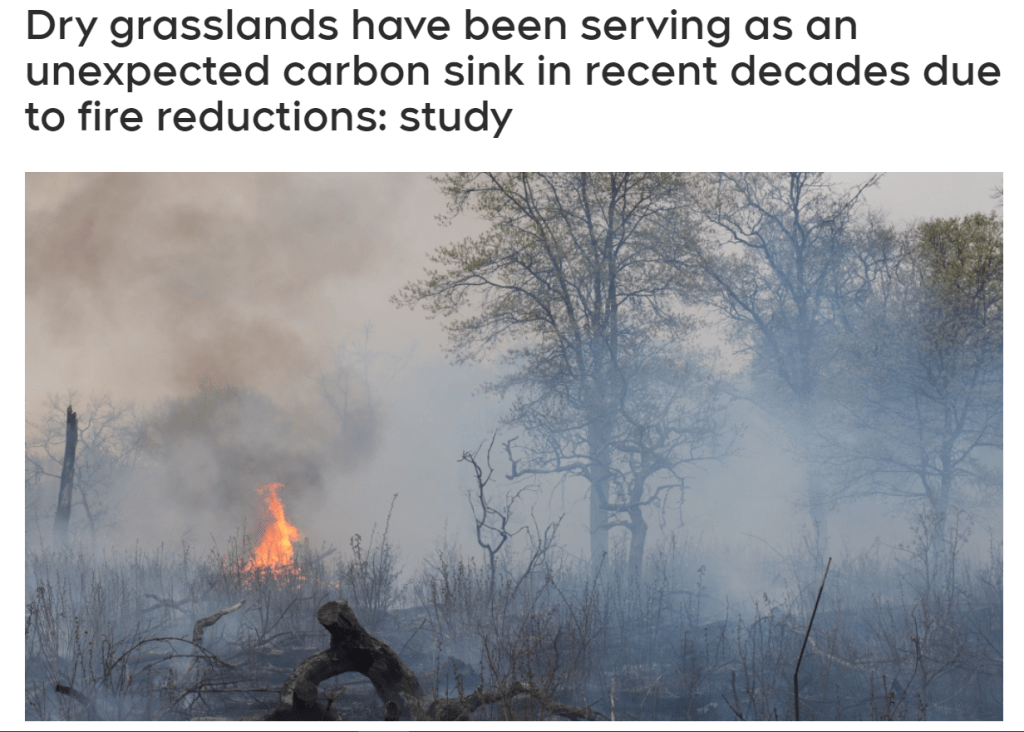
https://www.ctvnews.ca/climate-and-environment/dry-grasslands-have-been-serving-as-an-unexpected-carbon-sink-in-recent-decades-due-to-fire-reductions-study-1.6586228
According to the article “Meet the People saving Canada’s native grasslands,” published on the website The Narwhal,
“Grasslands sequester billions of tonnes of carbon and support hundreds of plant species and over 60 species at risk. They are also one of the world’s most endangered ecosystems.” – Steph Kwetásel’wet Wood
Meet the people saving Canada’s native grasslands | The Narwhal
Wood claims that this often overlooked ecosystem could have a major impact in the battle of combating climate change through carbon sequestration. She explains that over the past 150 years, between 75 and 90% of Canada’s grasslands have been eradicated largely due to agriculture and development. Due to their extensive root systems adapted for reaching deep into the soil to reach moisture during drought, native plants have a great carbon storing potential. According to Wood, grasslands have the potential to store 180 tonnes of carbon per hectare. Unfortunately, when grasslands are cultivated they lose up to half of their stored carbon and are also unable to offer the habitat to many species of native plants, insects, and animals.
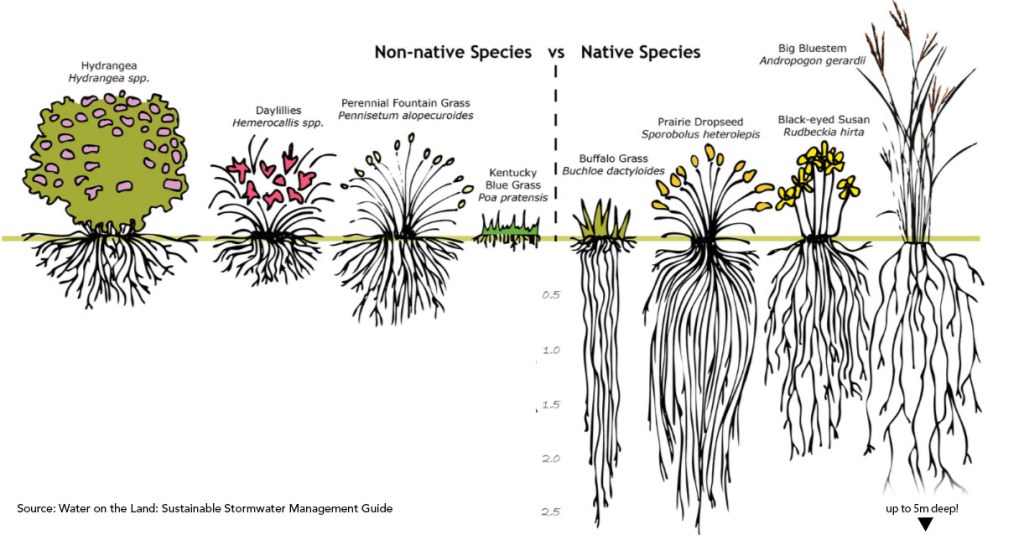
Although there is much work to be done in this area of native prairie restoration which would benefit not only native plants, insects, and animals, but the global carbon cycle as a whole, there has been some improvements and in this area. Some city planners and developers are incorporating native plants in their community plans whether that be around retention ponds, community gardens, or on boulevards. It is unfortunate the as a society, we value the typical green lawn of Kentucky Blue Grass which requires a lot of maintenance through weeding, watering, and mowing and provides little to no habitat for insects or much of a root system for carbon sequestration. Small changes have the potential to make big impacts. I personally have a goal of incorporating native plants into my own yard and school gardens and have already seen the benefits of planting these species as they provide a great alternative to annuals that are pulled out at the end of each growing season causing disruptions to the soil.
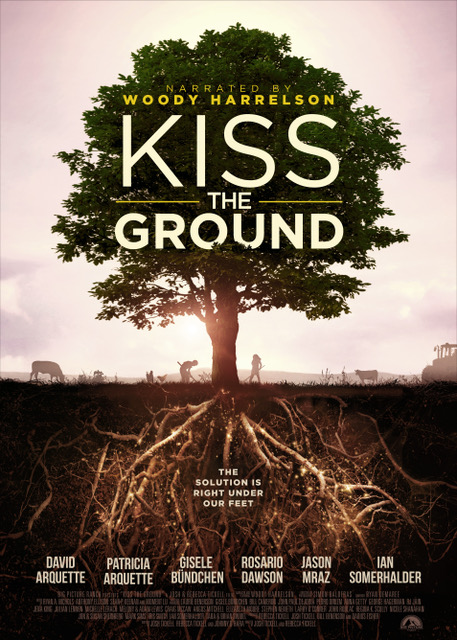
Soil health has such a large component in carbon sequestration. In modern times, humans have done considerable damage to our soils through agriculture by the spraying of chemicals such as pesticides and plowing and tilling the soil, leaving it exposed and prone to drought, leading in some cases to desertification. Regenerative agriculture and investing in healthy soils is key to soil sequestration which will hopefully lead to drawdown. If you are interested in learning about the importance of soil health and regenerative agriculture, I highly recommend the documentary Kiss the Ground. I have included more thoughts in the annotated bibliography at the end of this post. For a brief summary of the power of soil in carbon sequestration, check out the video below.
Everything on our planet is connected and our actions have ripple effects in both positive and negative ways. Although the issue of climate change is a global issue and sometimes seems that nothings we as individuals do can make a difference, educating ourselves and making changes in our own lifestyles can have a positive impact.
There is so much more to learn about the carbon cycle and the power carbon sequestration has in balancing the carbon in the atmosphere to the carbon stored in the biosphere. I feel that even after researching for weeks, I have barely scratched the surface on this topic. If you are interested in learning more, check out the annotated bibliography for further reading and viewing.
Annotated Bibliography for Further Reading and Viewing
The Narwhal. (2021, November 6). Carbon cache. ________https://thenarwhal.ca/topics/carbon-cache/
The Carbon Cache series of articles on the website, “The Narwhal,” provide informative, interesting, and readable articles on Canada’s role in various ‘nature-based solutions’ in emissions reductions. The series has a variety of articles written between 2020 and 2021 that feature various people, projects, and locations throughout Canada which are using Canada’s natural landscapes to sequester carbon from the atmosphere. The series argues that from wetlands, forests, to grasslands, and coastlines Canada has tremendous potential for storing large amounts of carbon. One of these landscapes, that I feel is particularly overlooked and don’t know enough about is the peatlands, which is argued to perhaps be the world’s largest terrestrial carbon store. I recommend reading a few of these articles to get a sense what Canadians are doing to help prevent climate change.
Bloom, A. A., Exbrayat, J.-F., van der Velde, I. R., Feng, L., & Williams, M. ________(2016). The decadal state of the Terrestrial Carbon Cycle: Global ________retrievals of terrestrial carbon allocation, pools, and residence times. ________Proceedings of the National Academy of Sciences, 113(5), 1285–________1290. https://doi.org/10.1073/pnas.1515160113
The article “The decadal state of the Terrestrial Carbon Cycle” is a scientific article discussing the terrestrial carbon cycle and the impacts of the uncertainties various components of the carbon cycle have on the global carbon budget. Bloom, et al. claim that these uncertainties are due to a poor understanding of plant carbon allocation, stocks, residence times and carbon use efficiencies. The authors used a diagnostic ecosystem carbon model and soil carbon data to retrieve global estimates. Their results reveal global emergent relationships in the spatial distribution of key carbon cycle states and processes. I would not recommend this article to those looking for a casual read on the carbon cycle or those wanting to know what is being done to help with carbon sequestration, as it is very scientific in its language making it difficult to follow and understand unless you have a strong background knowledge in mathematical and scientific formulas.
Panchal, P., Preece, C., Peñuelas, J., & Giri, J. (2022). Soil carbon ________sequestration by root exudates. Trends in Plant Science, 27(8), 749–________757. https://doi.org/10.1016/j.tplants.2022.04.009
The article “Soil Carbon Sequestration by Root Exudates,” discusses how soil carbon sequestration by plant root exudates is an important means of removal of CO2 from the atmosphere, made necessary due to human activities that have disturbed the atmospheric carbon cycle, leading to severe CO2 emissions into the atmosphere. While more research is needed in how root exudates add to the calculation of soil organic carbon, the researchers claim that activities such as reforestation and preserving natural forests and grasslands provide a good source of carbon sequestration in the natural environment due to the large root systems native plants provide. This article, while scientific in nature, is very readable for those wishing to learn more about carbon sequestration due to its glossary, defining key terms used throughout the article.
Frank, D., Reichstein, M., Bahn, M., Thonicke, K., Frank, D., Mahecha, M. D., ________Smith, P., van der Velde, M., Vicca, S., Babst, F., Beer, C., Buchmann, ________N., Canadell, J. G., Ciais, P., Cramer, W., Ibrom, A., Miglietta, F., ________Poulter, B., Rammig, A., … Zscheischler, J. (2015). Effects of climate ________extremes on the terrestrial carbon cycle: Concepts, processes and ________potential future impacts. Global Change Biology, 21(8), 2861–2880. ________https://doi.org/10.1111/gcb.12916
The article “Effects of climate extremes on the terrestrial carbon cycle: Concepts, processes and potential future impacts” discusses how climate change, increasing concentrations of atmospheric greenhouse gasses, lead to global warming and may change the frequency, severity, and nature of extreme weather events which therefore impact the carbon cycle. The authors recognize the lack of data and the nonlinear responses of ecosystems to extreme events, which make conclusive conclusions difficult to determine. Despite of this, they argue that the largest net effects of extreme weather on terrestrial carbon cycle is in forests than in other ecosystems due to the various climate extremes that affect forests including fires, logging, drought, heat extremes, and wind and ice storms. Different ecosystems react differently to climate extremes and thus forests, grasslands, peat land and croplands will react differently and have different short term and long-term effects.
Tickell, J. & Tickell, R. (2020). Kiss the Ground. [Documentary] Big Picture ________Ranch. https://kissthegroundmovie.com/.
“Kiss the Ground” is an inspirational documentary on the importance of soil health in the battle of climate change. Healthy soil is the key to growing healthy plants which is the key component in carbon sequestration. “If we can fix the soil, we can fix the planet.” Soil on planet Earth has faced many problems since the agricultural revolution. From erosion, to plowing and tilling, to the spraying of chemicals, our soil is slowly turning to dirt, which is causing the desertification of our planet which leads to a whole host of problems globally. I highly recommend this film. It is both a heartbreaking and inspiring look at the state of our would, but also offers real tangible solutions that can help re-balance the carbon cycle and create a healthier planet for us. There is also a free 45 minute version of this documentary available for educators.
Sources
The carbon cycle – geolsoc.org.uk. The Geological Society. (2021). ________https://www.geolsoc.org.uk/~/media/shared/documents/education%________20and%20careers/Resources/FactSheets/Rock%20cycle%20factshe________et%20draft%20KS2%20v2/Rock%20cycle%20factsheet%20FINAL________.pdf?la=en
Dr. Elaine’s Soil Food Web School. (2019, November 15). Soil carbon ________sequestration and the soil food web. YouTube. ________https://www.youtube.com/watch?v=ECHYChDUfhQ
The Economist. (2020, June 19). The carbon cycle is key to understanding ________climate change. YouTube. https://www.youtube.com/watch?________v=yhlg9txl7yM
Jones, A. M. (2023, October 3). Dry grasslands have been serving as an ________unexpected carbon sink in recent decades due to fire reductions: Study. ________CTVNews. https://www.ctvnews.ca/climate-and-environment/dry-________grasslands-have-been-serving-as-an-unexpected-carbon-sink-in-________recent-decades-due-to-fire-reductions-study-1.6586228
Kwetásel’wet Wood, S. (2020, July 31). Meet the people saving Canada’s ________native grasslands. The Narwhal. https://thenarwhal.ca/carbon-cache-________grasslands/
NASA/JPL. (2017, November 13). Infographic: Earth’s carbon cycle is off ________balance – climate change: Vital signs of the planet. NASA. ________https://climate.nasa.gov/climate_resources/136/infographic-earths-________carbon-cycle-is-off-balance/
National Geographic Society. (2023, October 19). The carbon cycle. ________Education. ________https://education.nationalgeographic.org/resource/carbon-cycle/
Organic Valley. (2022, February 18). Carbon sequestration explained | ask ________Organic Valley. YouTube. https://www.youtube.com/watch?________v=SHAgxKxy70U
Panchal, P., Preece, C., Peñuelas, J., & Giri, J. (2022). Soil carbon ________sequestration by root exudates. Trends in Plant Science, 27(8), 749–________757. https://doi.org/10.1016/j.tplants.2022.04.009
Riebeek, H. (2011, June 16). The carbon cycle. NASA. ________https://earthobservatory.nasa.gov/features/CarbonCycle
Robertson, M. (2021). The Biosphere. In Sustainability Principles and ________practice. 3rd ed. (pp. 23–38). Routledge.
Tallgrass Ontario. Tallgrass Prairie and Carbon Sequestration. (n.d.). ________https://tallgrassontario.org/wp-site/carbon-sequestration/
TED-Ed. (2012, October 2). The carbon cycle – Nathaniel Manning. YouTube. ________https://www.youtube.com/watch?v=A4cPmHGegKI
Vox. (2019, January 11). How humans disrupted a cycle essential to all life. ________YouTube. https://www.youtube.com/watch?v=jOht6qmuG-k
 Sustainability, Creativity, and Innovation: Sustainability in the Classroom