Living in the middle of the prairies, with long harsh winters, and a short growing season, it can be very difficult to find locally grown foods, particularly in the winter. For my Deep Learning Food Challenge, I have made it my mission to eat only local Manitoban sourced foods for one day and share places where you can find local foods to help others eat more locally.
Before beginning this challenge I had to take a look at what I typically eat in a day and determine how much of that was produced in Manitoba. It turns out that it is difficult to be a vegetarian in winter when you want to eat fresh fruits and vegetables. I then looked in my fridge and pantry to see what I had that was local and what I needed to purchase to make three complete meals. I decided to head to the farmers market to purchase the items I was missing and was then ready to begin. Here’s how it went:
Breakfast– Open faced breakfast sandwich
Ingredients:
- eggs- from a local Hutterite Colony
- cheese- from Bothwell Cheese
- honey- from a local market
- hot sauce- from Intergalactic Sauces
- bread- from Forgotten Flavours at the St. Norbert Farmers Market (a vendor new to me- they make their bread with a natural fermentation process)

Lunch– Grilled Cheese Sandwich with pickles on the side
Ingredients:
- bread- from Forgotten Flavours at the St. Norbert Farmers Market
- Cheese- from Bothwell Cheese
- pickles- from Grammie’s Jams, Jellies, and Preserves at the St. Norbert Farmer’s Market
Snack– Ice cream from Chaeban– a local ice cream shop in Winnipeg that makes their ice cream (and cheese) from scratch. They sell pints of ice cream in glass jars where you can bring them back to their store to re-use and they reimburse you $1, making their product zero waste. One of my favourite flavours is Abir Al Sham.
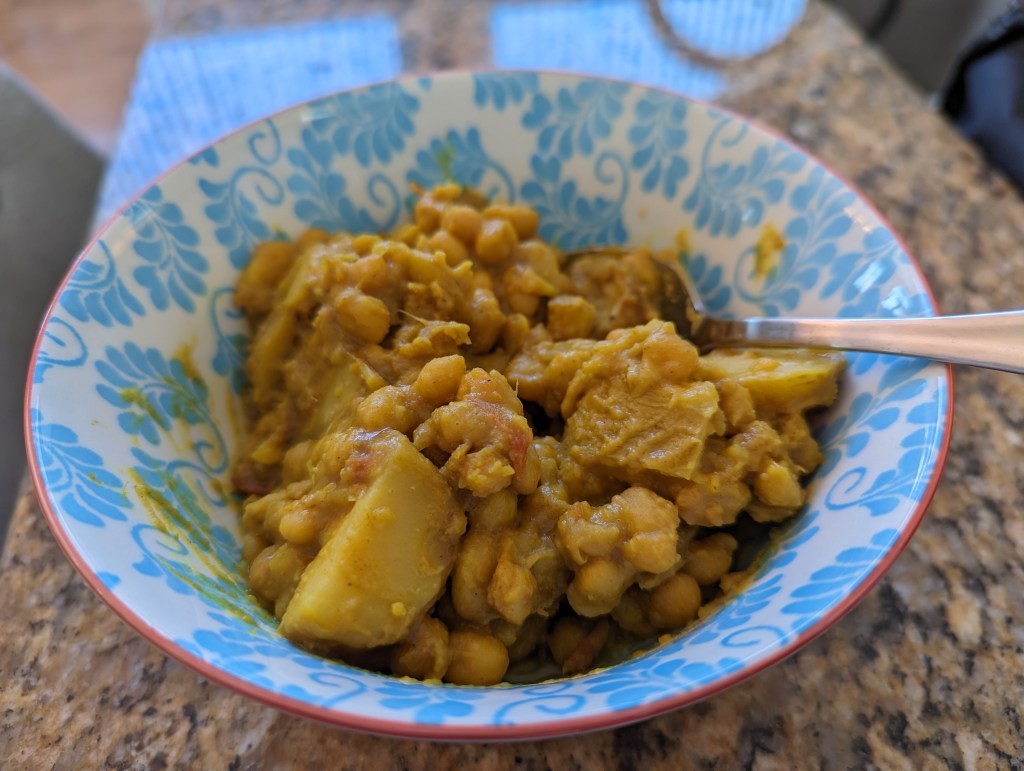
Dinner- Vegetarian chili and cornbread muffins
Ingredients:
- cornmeal- from Winter Grain CSA
- honey- from local market
- Yellow Peas- from Winter Grain CSA
- Navy Beans- from Winter Grain CSA
- potatoes- from Blue Lagoon Organics
- tomatoes- Sobeys
- onions- from Peak of the Market
- garlic- from my garden from last year’s crop
- spices- (not local unfortunately)
—
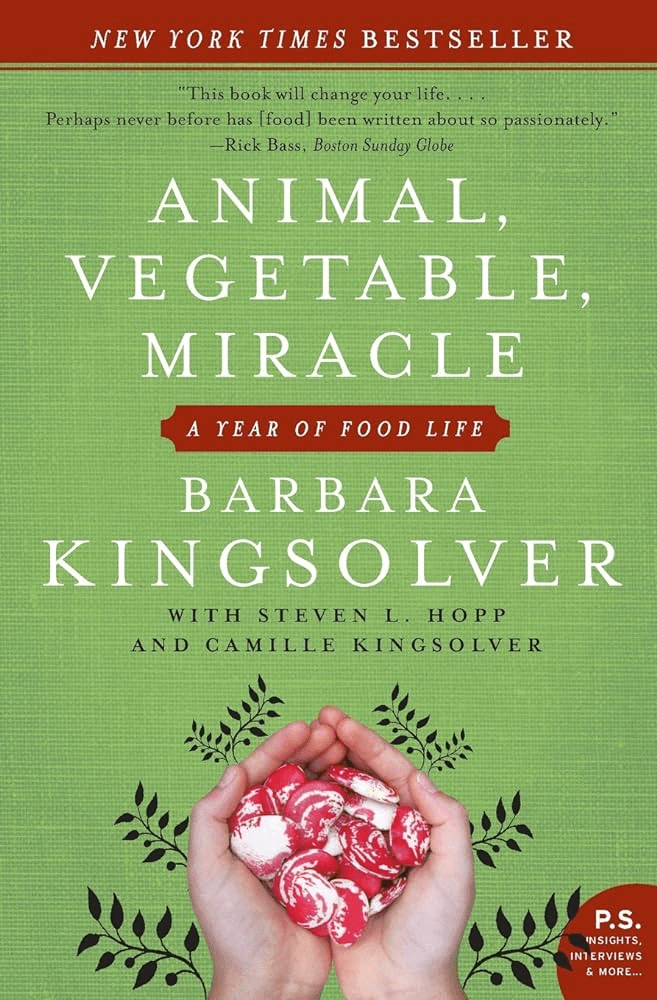
After preparing just a few meals using only local ingredients, it reminded me of the book Animal, Vegetable, Miracle by Barbara Kingsolver. In this book, Barbara and her family go on a journey of eating only local, seasonal foods- foods that they either grew themselves or purchased locally. She documents her journey month by month and show the challenges they faced and why eating locally is so important for climate change and the local economy. Even though this book is set in the United States, I recommend this book for anyone beginning their local food journey. While I am not able to fulfil the commitment to the extent that Barbara and her family did, it did inspire me to make an effort to look where my food is coming from and try and buy local as much as I can to decrease my carbon footprint. I find this much easier to do in the summer, where I have my garden to supplement my local food purchases. I moved to my new home last summer and my first project was to plant fruit trees (apple, pear, plum, cherry, haskap, and saskatoon), strawberry and raspberry plants, garlic bulbs, and asparagus plants. I hope that everything survived the winter and I will be able to start to enjoy produce from my own yard this spring and summer.
—
While it can be difficult to source entirely local ingredients throughout the year, many grocery stores now label, and promote their local products. This tells me that there is a need and demand for local products.
If you are interested in eating trying to incorporate more local foods and ingredients in your diet, check out the links below for resources for local Manitoba foods:
The St. Norbert Farmers Market is the largest market in Manitoba and is filled with many vendors selling everything from arts and crafts, locally made foods and drinks, and plants in the spring and summer. The market is open Saturdays all year round, offering indoor sellers in the winter months, and expands to indoor and outdoor sellers in the spring and summer. The vendors vary depending on the season. My favourite is the spring and summer markets with the atmosphere of the outdoor market with music and food along with the vendors.
A few of my favourite local vendors found at St. Norbert Farmers Market are:
- Prairie Originals, for native Manitoba plants
- Old Church Bakery, for sourdough bread
- Blue Lagoon Organics, for organic vegetables and eggs (they also offer a CSA program)
- Miss Kleo Pet Treats, for cat treats
- Kyle’s Icelandic Vinarterta, for Icelandic Vinarterta dessert
- Stony Brook Creamery, for local organic milk (in reusable glass containers) and cheese curds
- Dutch Country Pretzels, for delicious homemade pretzels
- Red Rivers Edge Farms, for fresh Asparagus in the spring
- Kernel Sandy’s Kettlecorn, for sweet and salty popcorn
- Bothwell Cheese, for fresh cheese made with Manitoban milk
- Dead Horse Cider, for apple juice and apple cider from local Manitoba apples (they also offer a trade program where you can bring in apples from your tree and they will give you fresh apple juice or cider!)
—
Adagio Acres is a local, organic farm in Manitoba that values the human connection with food and the land. They have integrated their farmland into a variety of habitats on their land which allows animals and pollinators to still thrive in their area. They mill and process their own grains, as well as process grains for other organic farmers in the province.
“We’re all in this together. Trying to eat healthy food that is good for our bodies, and also good for this planet that we share.”
– Amy and Donald Nikkel, Adagio Acres

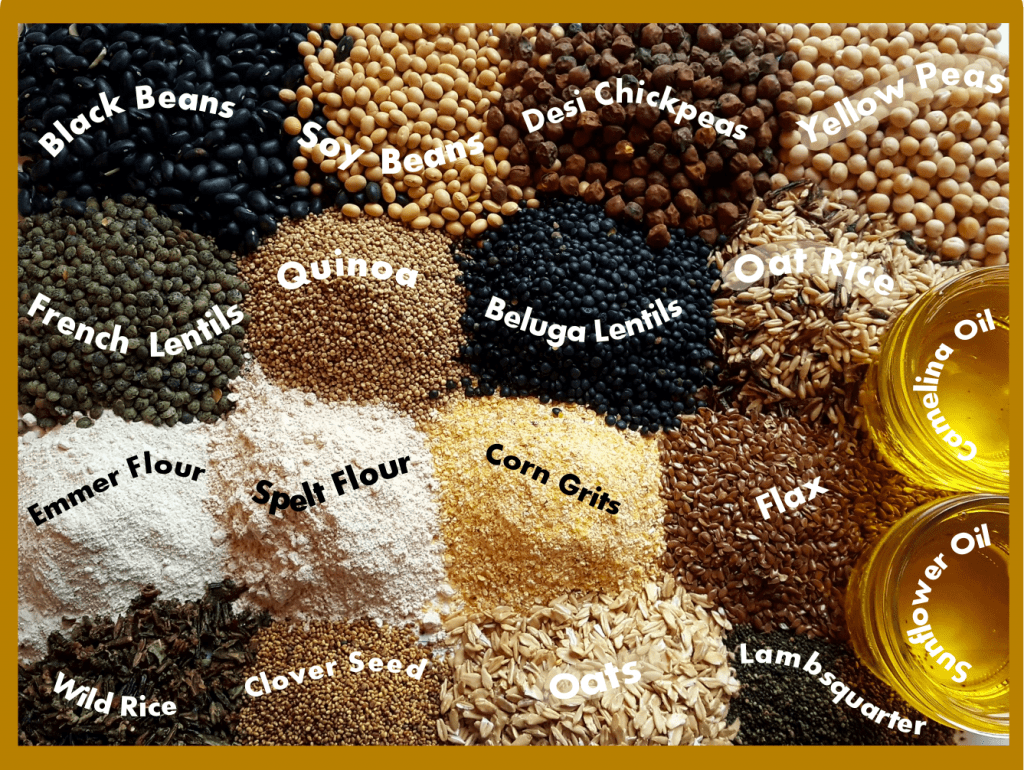
Every year, they offer a Winter Grain CSA, which offers a variety of local, organic grains from their farm, but also from other farmers around Manitoba as well. They foster a sense of community on grain pick up day where all of the customers bring their own reusable containers to get filled in the space by the farmers that grew the crop, making this a near zero waste event. They also offer workshops on pick-up day as well. To provide recipe ideas for some of the grains that people might not be as familiar with, there is a Winter Grain CSA Facebook group where people share and ask for recipes. I purchased the half share grain bundle and it was interesting to see all of the grains that are grown locally in Manitoba, as some I was not familiar with. I used some of the grains in my dinner mentioned in this post.
—
Fireweed Food Co-op is a non-profit co-op for small scale, sustainable, Manitoba farmers. Their goals include developing a thriving community with local farmers, who value sustainable regenerative agriculture, allowing Manitobans access to locally grown foods. They offer foods from a large variety of local farms.
—
Fort Whyte Farms, “is a working farm and award-winning social enterprise that bridges communities, creates learning and employment opportunities for youth, and grows healthy food for our community.
As a social enterprise, our bottom line goes beyond financial gain to include social and economic benefits that impact the lives of individuals, families, and communities” (Fort Whyte Farms, 2024). They offer a market and CSA program to sell their local fruits and vegetables.
Check out the video made by Fort Whyte to learn more about their amazing work:
—
Jonathan’s Farm offers both a winter and summer CSA program. They commit to ecological farming practices and don’t use herbicides or pesticides prohibited by organic standards. In addition to the CSA programs, their veggies can be found at the Wolseley Farmers Market. Jonathan’s Farm website has many great recipes based on the different vegetables that can be found in the CSA.
—
Direct Farm Manitoba is a cooperative of farms and markets in Manitoba and has information on how to start Farmers Markets in your area and information on Manitoba’s Community Food Currency Program.
While the benefits of eating locally are evident for the environment, health, and for the local economy, there are some barriers and challenges. Barriers for people buying local food and cooking with local ingredients is unfortunately, the cost- not everyone can afford a $10.00 loaf of bread from the market. In these times, price is the priority over organic and local for many people. Additionally, when purchasing local foods from stores or farmers markets, it does not mean that the local maker used all local ingredients. When trying to eat completely local, it is difficult when you are not sure where the ingredients were sourced from.
Another challenge that I faced was not having fresh fruit. I have been a vegetarian for many years and some of my favourite foods are berries and fruits. Not having access to local fruit at this time of year was disappointing. I look forward to summer when I will have fresh strawberries and raspberries from my own garden.
—
Overall, I found this challenge to be beneficial as it really made me think about where my food comes from and all of the ingredients that goes into making a single meal. It reminded me of the picture book How to Make an Apple Pie and See the World by Marjorie Priceman. I read this book to my class every year when we make baked apples (with apples from my apple tree) and it draws attention to the fact that all of the ingredients needed to make an apple pie come from all over the world. It takes great effort to source your ingredients locally.

I encourage everyone to challenge themselves to really look into where their food is coming from, ingredients and all, and see if there are any local substitutions that can be made. The benefits can be seen through supporting the local economy as well as the environment with reducing the carbon footprint that comes from shipping food around the world.
References:
Fireweed Food Coop. (n.d.). https://www.fireweedfoodcoop.ca/who-we-are
Fortwhyte Farms. FortWhyte Alive. (2024, March 7). https://www.fortwhyte.org/about/fortwhyte-farms/
Jonathan’s farms – jonathan’s farm grows fresh vegetables for our CSA members, The Wolseley Farmers Market and the Selkirk Farmers Market. Jonathans Farms. (n.d.). https://jonathansfarm.com/
Kingsolver, B., Hopp, S. L., & Kingsolver, C. (2017). Animal, vegetable, miracle: A year of food life. Harper Perennial.
Nikkel, D., & Nikkel, A. (2023, November 11). Winter Grain CSA – Adagio Acres. Adagio Acres – Naked Oats and Manitoba Organic Grains. https://adagioacres.com/wintercsa/
Priceman, M. (2000). How to make an apple pie and see the world. Scott Foresman.
 Sustainability, Creativity, and Innovation: Sustainability in the Classroom