I was inspired by my Deep Food Learning Challenge where I ate local Manitoban foods for a day and shared resources for others to eat more locally. The main challenge was local fruits and vegetables in the winter months. I decided to challenge myself to begin seed starting at home this winter, and then plant what I grew outside in my garden in the spring. Gardening has always been a hobby for me. My vegetable and fruit gardening experience thus far has been buying seeds that can be directly sowed into the ground and buying plants from greenhouses that I plant in the spring. I have never had success in starting my seeds indoors and transplanting in the spring.
The process of seed starting will allow me to save money on plants, have control over the seeds and variety of plants grown, reduce the plastic from buying as many plants from greenhouses, and allow me to extend my growing season, increasing the yield of crops.
I started my project with purchasing some seeds from a local organic nursery Sage Garden Greenhouses. They specialise in sustainable and organic gardening.
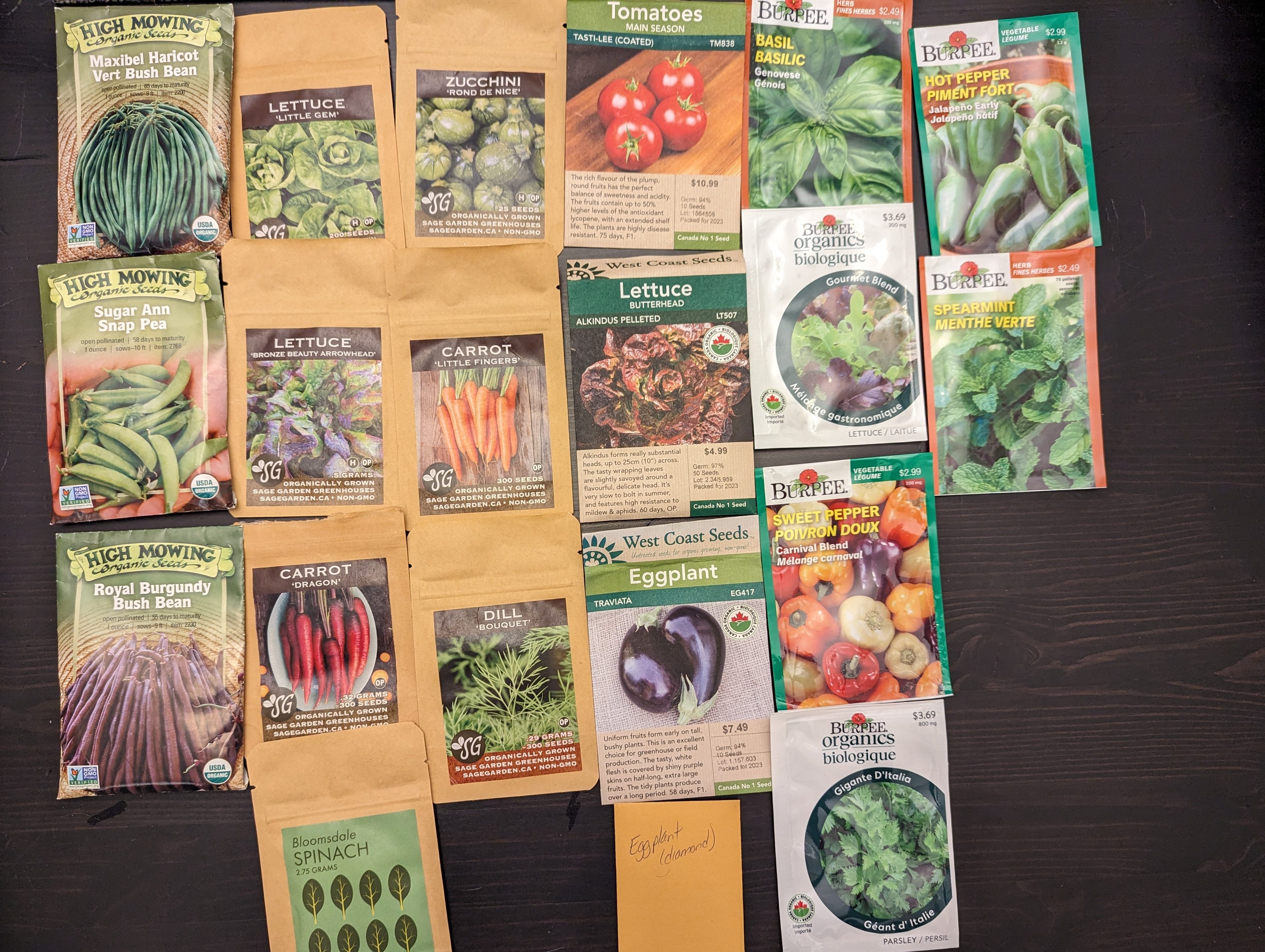
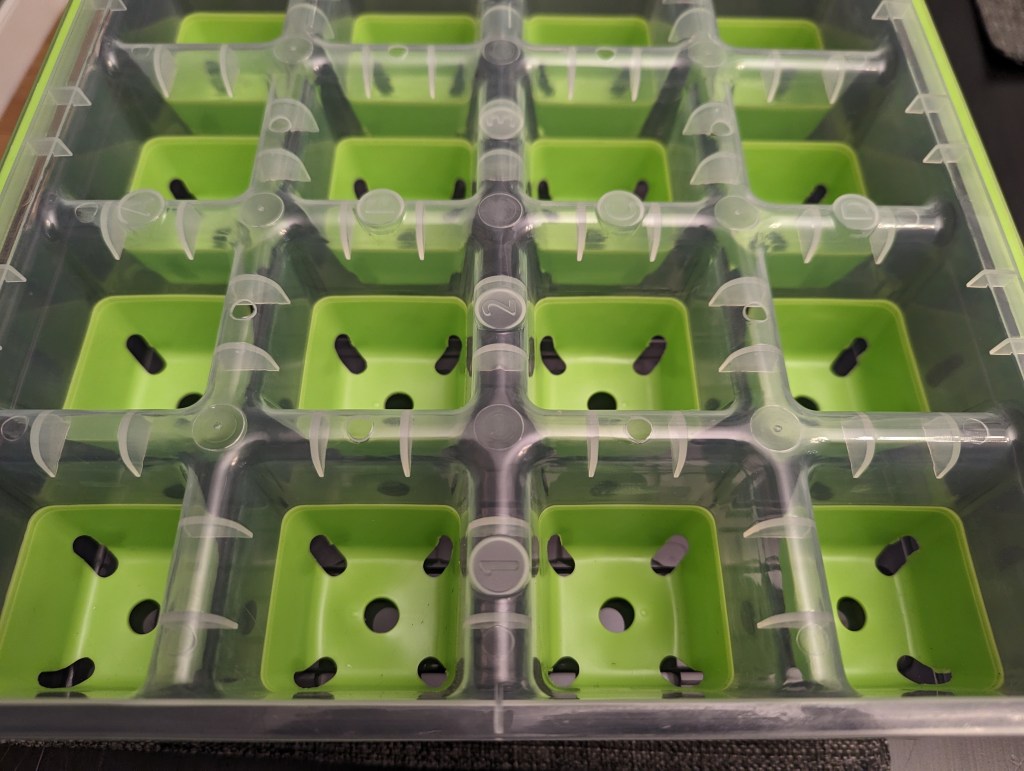
Next, I purchased some seed starting containers from Superstore along with some more varieties of seeds. I chose this variety of containers because they are reusable and can be used every year.
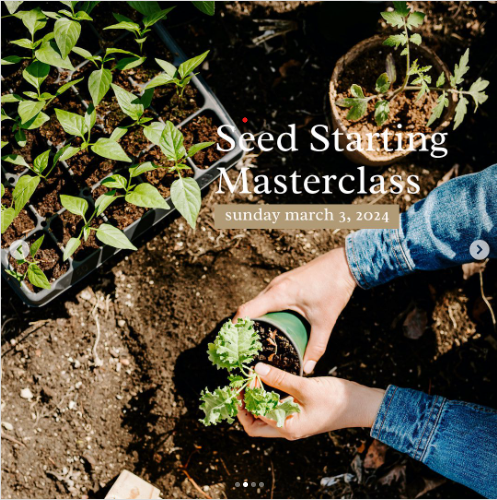
After purchasing some seeds and seed starting containers, I saw a post on Instagram for a seed starting workshop being offered by a local Manitoban gardener, Maggie Wysocki, from the blog From Soil to Soul . I decided to sign up for this workshop to officially begin learning about the ins and outs of planting seeds, before I begin planting by myself. I learned a lot at this workshop and I have summarised what I have learned below.
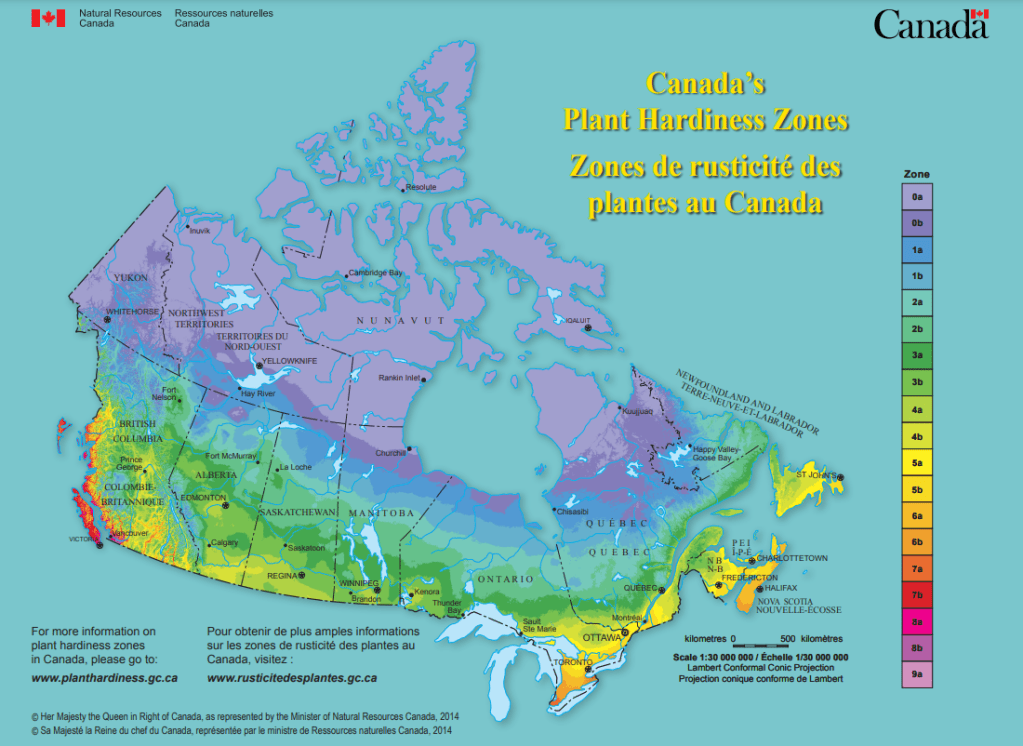
Canada is divided into Hardiness Zones that indicates what plants grow well where. Where I live in Manitoba, I am in Zone 3b. It is important to know what zone you are located in when choosing plants to grow in your area, especially perennials.
In addition to knowing your grow zone, it is important to consider the micro-climate, which is the environment in your own garden that you can manipulate and which affects growing conditions. For example, the amount of wind, sunlight, and rain your garden gets.
Frost dates are another factor to consider when planting outdoors and when to cover, or take plants indoors. Frost dates refer to the average last light freeze in the spring and the first freeze in the fall. The general rule is to plant when nighttime temperatures are consistently at 10 degrees Celsius.
Seeds:
There are a variety of things to consider when purchasing seeds for your garden. Some key terms to note are whether a plant is an annual or perennial. Annuals are plants that germinate flowers in the first growing season and die off after the first growing season. Perennials are plants that live longer than one growing season. Heirloom seeds are plants that have a history of being passed down hundreds of years and the seeds have been saved. Hybrid seeds are controlled method of pollination. Open Pollinated have been pollinated naturally by pollinators.
When storing seeds, ensure you store them in a dry, dark space, away from sunlight and moisture. Organise your seeds based on variety and planting month.
Seeds generally have a lifespan of 3-5 years. To test to see if a seed is still viable, you can do a germination test by placing seeds in a wet paper towel in a Ziploc bag and tape it to the window to see if they open up.
I have linked below some of the companies that I have purchased seeds from in the past, the majority of these places sell organic seeds:
One of the most important things I learned at this workshop is the importance of timing for when to start each plant indoors. We were given a helpful guide with the months to start indoors, direct sow outdoors, transplant outside, and cover outside.
Seeds to start indoors in March include: Artichoke, Broccoli, Cabbage, Cauliflower, Celery, Chickpeas, Kale, Leeks, Onions, Peppers, Tomatoes,
Seeds to start indoors in April include: Eggplant, Lettuce, Melons, Pumpkin, Rhubarb, Squash
Seeds to direct sow outdoors in May include: Amaranth, Beans, Soya Beans, Beets, Corn, Cucumbers, Radicchio, Onions, Parsnips, Peas, Spinach, Swiss Chard, Turnips
Soil:
Traditional Soil Blend consists of:
- 40% Potting Soil
- 20% Coco Coir (or peat)
- 20% Vermiculite or Perlite
- 20% Worm Castings
Blocking Method Blend consists of:
- 20% Potting Soil
- 20% Coco Coir (or peat)
- 40% Perlite or vermiculite
- 20% Worm Castings
There are ethical and environmental considerations when creating your soil mix. Check out the video to learn about Coco Coir vs. Peat. Maggie suggesting avoiding peat when creating your soil blends due to the environmental impact of extracting peat.
Light:
Light is an important factor when starting seeds indoors. We were recommended Sunblaster lights to use in addition to natural light at 6400 Kelvin units, which simulates light from a July day at 2 pm. Using a timer with your grow lights set to 16 hours on during the day and 8 hours off at night is recommended. I happen to have a grow light that I purchased years ago when I had plans to try seed starting, but it didn’t work out at the time, so I am happy to finally put it to good use.
Water:
The last factor to take into consideration when seed starting is watering. When first planting seeds, you can cover your trays with saran wrap to act as a green house, or upgrade to a plastic dome. Bottom water every 3-5 days. I purchased this mini greenhouse to act as my moisture dome.
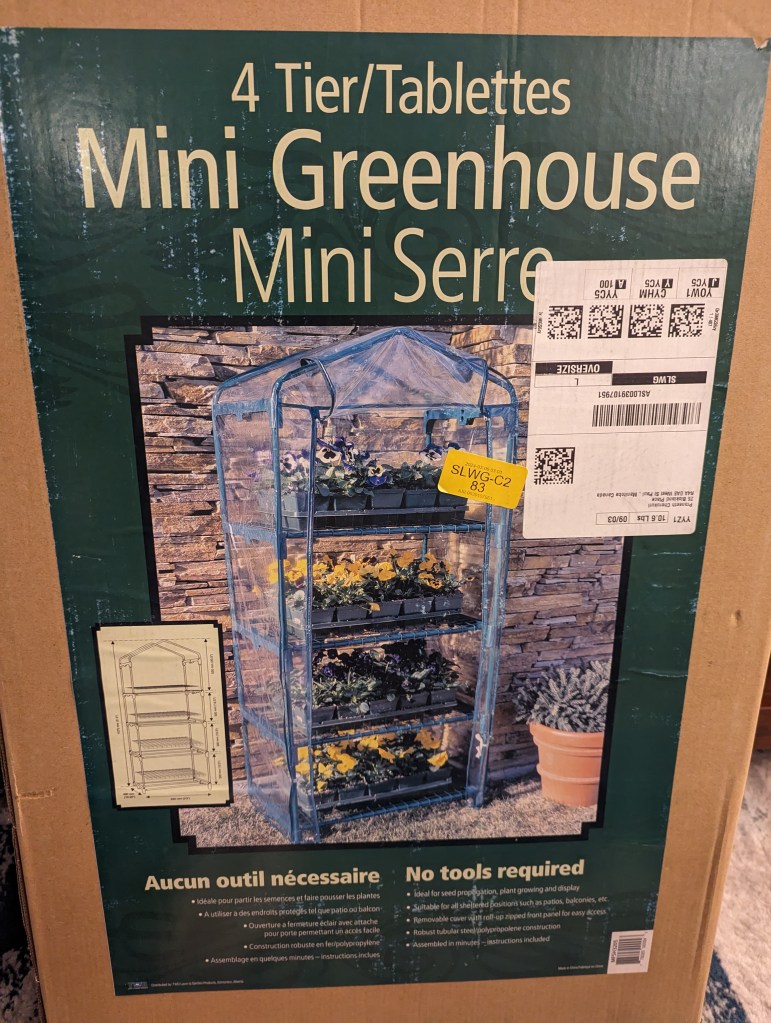
Water with fertilizer mixed in every couple weeks. Sea Magic is one variety of organic fertilizer and it is a Manitoba company.
My Seed Starting Journey:
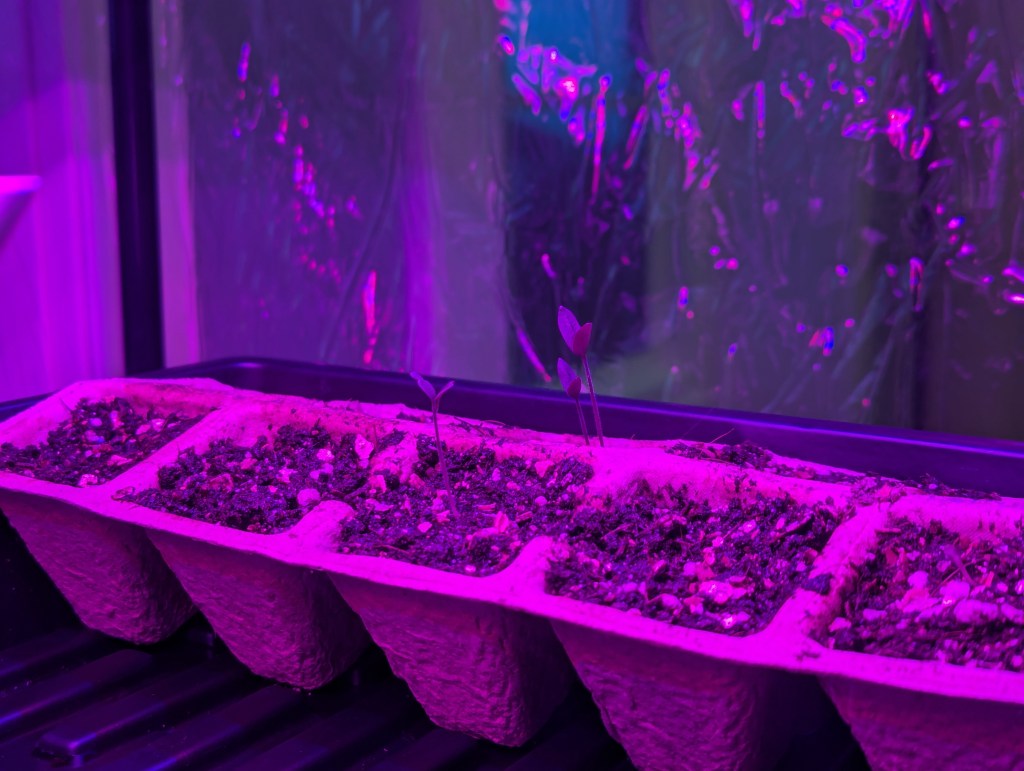
March 3rd– Attended seed starting workshop. I planted 6 seeds at the seed starting workshop- 2 travatia eggplant, 2 diamond eggplant, 2 lettuce, and 2 tomato.
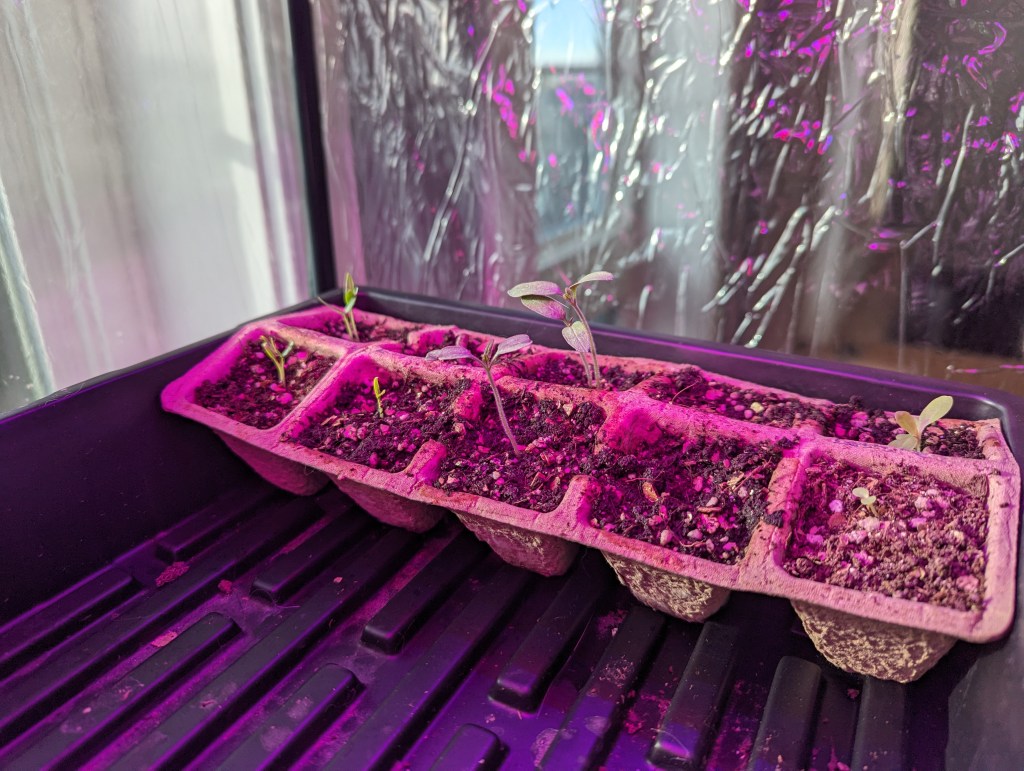
March 8th– My first sprouts appeared- little tomato and lettuce plants! Very exciting day!
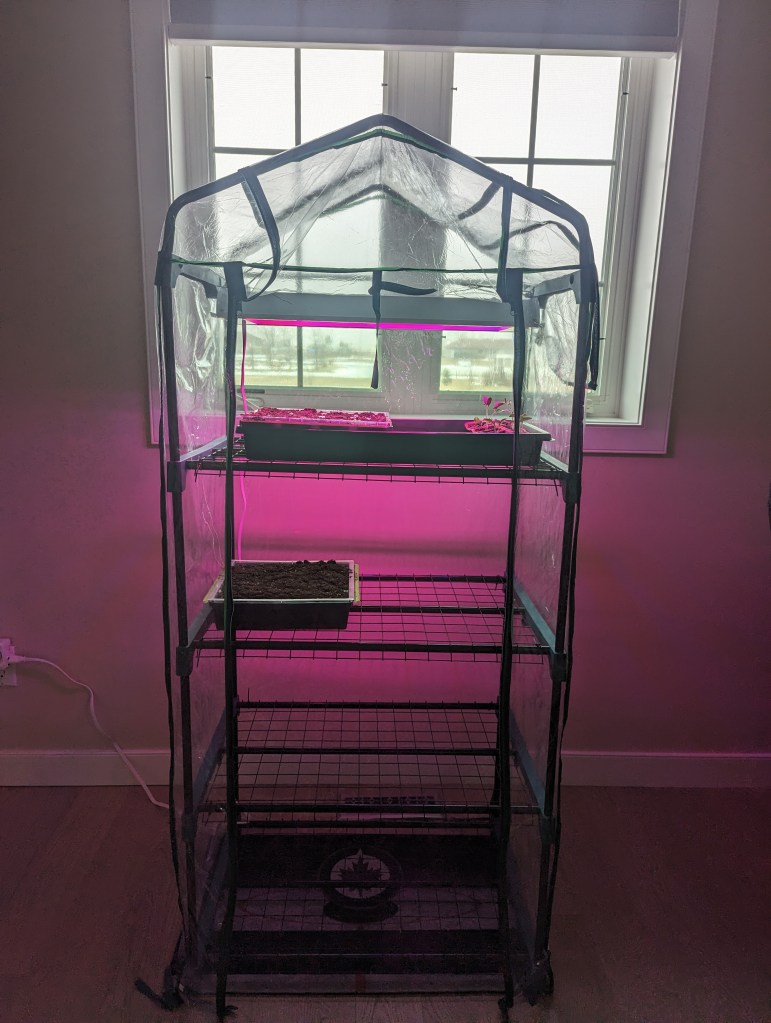
March 10th– I built the little indoor greenhouse, set up the grow light, and placed my little seedlings from the seed starting workshop inside. I also set a timer for the grow light, following the recommendation of 16 hours on and 8 hours off. My grow light uses red and blue lights, and to promote germination, I currently have it set to the red light.
March 12th- I went through each seed packet that I had and checked how many weeks before the last frost date it should be started indoors and made this chart so I know when to plant my remaining seeds so they will be the appropriate size when it is time to plant outdoors.
| Anticipated Last Frost Date for Manitoba (According to the Farmers Almanac): May 21st (I went with May 28th to be safe as we have had frost in June in the past) | ||
| # of weeks before last frost date | Date to seed | Seeds to Start |
| 10 weeks before last frost date | March 19th | – Spearmint |
| 9 weeks before last frost date | March 26th | |
| 8 weeks before last frost date | April 2nd | -Sweet pepper -Hot peppers -Eggplant |
| 7 weeks before last frost date | April 9th | -Basil |
| 6 weeks before last frost date | April 16th | -Tomatoes -pumpkins |
| 5 weeks before last frost date | April 23rd | |
| 4 weeks before last frost date | April 30th | -Dill -Zucchini -Squash -Lettuce |
| 3 weeks before last frost date | May 7th | |
| 2 weeks before last frost date | May 14th | |
| 1 week before last frost date | May 21st (last frost date) | |
| 0 weeks before last frost date | May 28th | Seeds to direct sow into garden: carrots -spinach -lettuce -peas -beans -potatoes- corn |
Now that I have created this chart from following the instructions on the packet of the specific seeds that I plan on planting, I realised that I don’t need to start all of my seeds at the same time or as early as I thought.
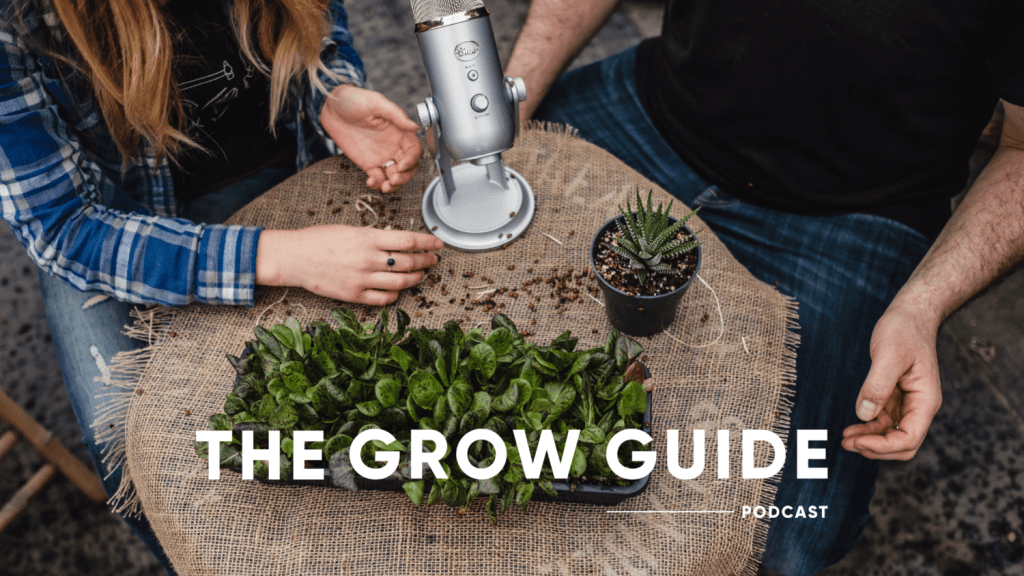
March 12th- Listened to Grow Guide Podcast Episode: A Seed Starting Refresher
- Take away points:
- there are many types of plants that you can direct sow in your garden- it is not necessary to start seeds indoors to have a successful garden
- if you are going to start seeds indoors, a grow light is essential
- look on your individual seed packets to learn when they should be started indoors or direct sowed in your garden
- only start seeds when you have the time and ability to do so properly
March 13th– Listened to Grow Guide Podcast Episode: Planning Your Best Garden Yet with Sharon Murphy
- Take away points:
- keep good records/notes from your garden from year to year including what you planted when and how much did you get with your harvest
- use the shoulder season to do a needs assessment- what do you want to achieve in your garden this year and notice how many hours of sunlight your garden has/ what is the wind like in your area/ are there any animals walking through your area? Then begin the planning stage of your garden
- be strategic when buying plants at garden centres- be aware of the space and type of garden you have; buy unique items first then get the rest as you need it
March 14th- Listened to Grow Guide Podcast Episode: Gardening On a Budget with Dave and Maggie
- Take away points:
- re-use your seed starting materials and containers from year to year
- starting from seed yourself is cheaper than buying established plants from garden centres (once you have all of your seed starting supplies)
- join your local garden clubs to seed and plant swap
- mulch around your garden and plants to help hold in moisture to reduce watering
March 15th and 18th- Listened to Grow Guide Podcast Episode: Honouring Earth Day with Horticulturist, Melanie Mercier
This episode inspired me to save all of my cardboard and start a new native pollinator garden on my front lawn! We will see if the spring allows!
- Take away points:
- save your cardboard and use it as a base when starting new gardens in your yard (don’t use landscape fabric!)
- convert some (or most) of your lawn into pollinator friendly habitats
- leave the leaves!- use the leaves that fall naturally to act as a soil cover to retain moisture
- plant native plants that are adapted to your climate and use less water
- plant a variety of plants in your garden of varying heights that will assist in covering the soil to retain moisture
- plant pollinator friendly gardens and try and incorporate plants that retain water naturally on the leaves for the butterflies and other insects
- No Mow May!- dandelions are often the first food for pollinators
- be careful what plants you clean up from your flowerbed in the fall, some pollinators use the stems and fallen leaves as their home for the winter months
March 19th- Listened to Grow Guide Podcast Episode: Planning Next Season’s Garden with Pollinators in Mind with Mary Phillips
- Take away points:
- take note of what type of raspberry plants you have as that affects what growth of the plant produces fruit (last years growth vs. current years growth)- this is important to know when pruning
- plant native plants!
- try and incorporate a water source for pollinators
- native plants provide food, shelter, and a place to grow young for pollinators
- specific plants provide habitat for different pollinators- take note of what pollinators you want to attract. Ex. Milkweed is necessary for the monarch butterfly
On this day I also planted by spearmint seeds and decided to start my peppers a couple weeks earlier than what I listed on my chart, as some local gardeners have suggested planting hot peppers earlier than listed on the seed packet.
March 20th- Listened to Grow Guide Podcast Episode: Easy Tips for Growing Hardneck Garlic in Raised Beds, In Ground Gardens AND In Containers with Niki Jabbour
- Take away points:
- plant your garlic bulbs in the fall once temperatures drop and soil can still be worked
- there are many different types of garlic that produce slightly different flavours
- garlic scapes can be used in cooking
March 21st- Listened to Grow Guide Podcast Episode: Fruiting Trees You Can Plant this Fall to Create your own “Food Forest”
- Take away points:
- Mimic nature to create a layered garden with large trees as the canopy, a ground-cover, and a base layer
- check to see what trees grow best in your micro-climate before planting
Companion Planting Guide:
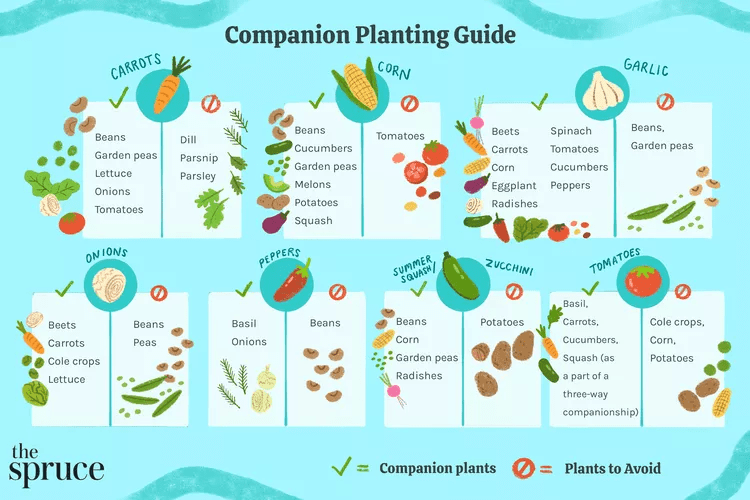
When planning my vegetable garden, I wanted to try and use a companion guide to see what plants are mutually beneficial for each other. I found a few sources online with generally the same ideas. I included one of the companion planting guides below:
My fruit and vegetable garden plan:
I moved into my home in July 2023. In the first two months we planted the following trees: two apples, two pears, two plums, two cherry and shrubs: two saskatoons and two haskaps.
We also built 6 raised garden beds 5 ft by 10 ft- 50 square feet each.
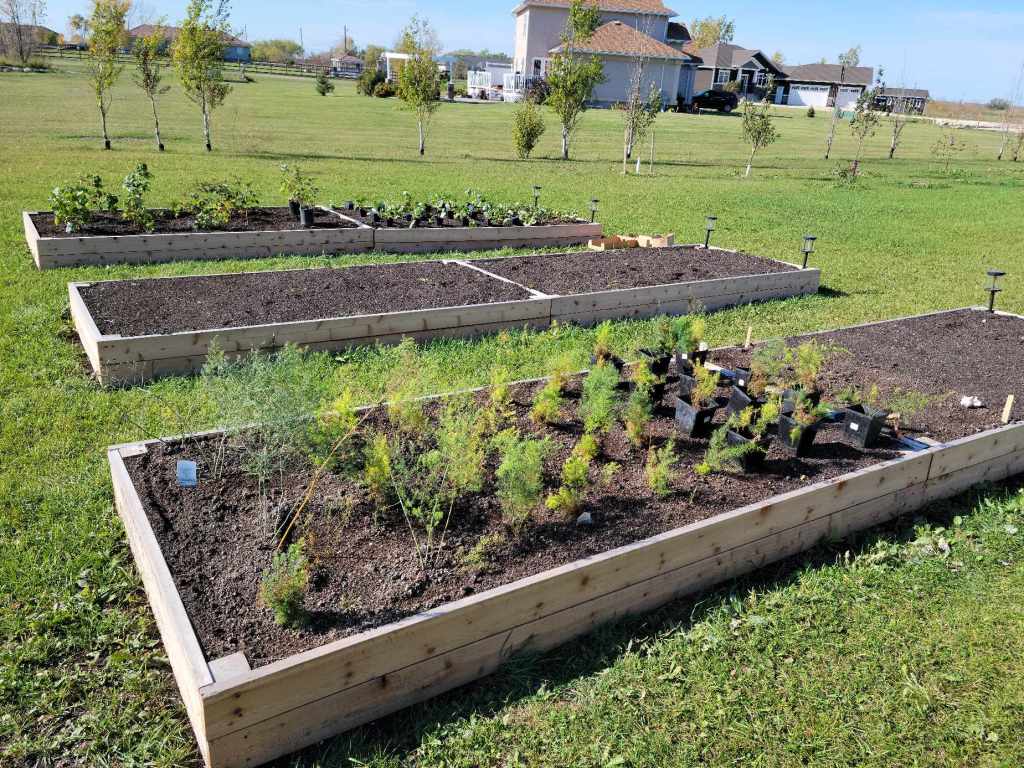
- Garden Bed One: Asparagus (36 plants- planted in September 2023- will be able to harvest the asparagus in 2-3 years)
- Garden Bed Two: Strawberries ( 32 plants- planted in September 2023)
- Garden Bed Three: Raspberries (8 plants- planted in September 2023)
- Garden Bed Four: Garlic bulbs (planted fall 2023), carrots, onions, potatoes
- Garden Bed Five: Tomatoes, bell peppers, jalapeno peppers, dill, basil
- Garden Bed Six: Zucchini, beans, peas, carrots, spinach, lettuce
Time to Plant Outdoors:
When it comes to planting outdoors in your garden, typically after the May long weekend for us in Manitoba Zone 3, it is important to remember to check the last frost date to ensure the nighttime temperatures are consistently above 10 degrees Celcius. Before actually planting in the ground, it is important to harden off your seedlings, with 14 days of bringing your plants in and outdoors to help them get used to the outdoor sunlight and weather conditions. Consider the companion planting guide to ensure your plant will do well with its neighbours, and the micro climate your garden is located in. Finally it is time to plant! You can amend your soil with compost (I have been composting all winter with my Food Cycler and saving all of the compost for spring planting). Water the hole thoroughly before planting and covering with soil to ensure the roots have enough moisture. Continue to check the weather for frost and cover the plants at night with a light blanket if there is a risk of freezing.
Benefits:
There are many benefits from growing your own garden. The main one being having control over where your food comes from. By growing your own fruit and vegetables you are eliminating the carbon footprint that comes from shipping food from various countries around the world. You also have more power in controlling the fertilizers and chemicals that are used on many mass produced gardens and opt for natural organic fertilizers, making your food more healthy. I also think that there is a mental health benefit with gardening as it allows to you spend time in nature in a productive way. Growing your own food not only tastes better, but also gives some personal satisfaction of doing it yourself, getting sunlight and exercise along the way.
Additional Resources for Gardeners:
Conclusion:
Upon completion of my genius hour project, it became apparent that when you are able to pick a topic you care about, you are more motivated to put in extra time (as much time as needed) to complete the project, as it is something that you are passionate about.
I am happy to have picked seed starting as my genius hour project. It has allowed me to learn a lot about gardening which has helped plan my garden for the spring. I am excited for outdoor planting season, and looking forward to caring for and harvesting the garden this summer.
Now that I have experience with seed starting at home, I will feel more confident starting seeds with my students in the classroom. While learning alongside students can be successful and beneficial, I always like to have a base knowledge first in order to help guide students in the right direction. While we do not currently have garden space in our schoolyard for an outdoor garden, my long term goal would be to start a gardening club at my school where we start seeds indoors, transplant outside in the spring, take care of them during May and June and make community connections to help maintain during July and August when school is out and then harvest in the fall, making a meal and donating the vegetables we harvested.
Simply learning about seed starting myself and gaining this first year of experience is a good start to achieving this goal. While I did not get the chance to complete planting all of my seeds in the timeline of this course, this is something that I plan on continuing working on, even after the course is done.
References:
Government of Canada, N. R. C. (n.d.). Canada’s plant hardiness site. http://planthardiness.gc.ca/?m=1
The Grow Guide. (n.d.). The grow guide. https://www.thegrowguidepodcast.com/
Hassani, N. (2024, February 27). The basics of companion planting garden crops. The Spruce. https://www.thespruce.com/companion-planting-with-chart-5025124
Wysocki, M. (2024, March 28). Home. From Soil to Soul. https://fromsoiltosoul.ca/
YouTube. (2022, March 1). Peat Moss vs. Coconut Coir: Are They both bad?. Epic Gardening. https://www.youtube.com/watch?v=f8XNw2UFKWE
 Sustainability, Creativity, and Innovation: Sustainability in the Classroom